





What Are Qoghundos and Their Ingredients?
Qoghundos, a traditional dish derived from Central Asian cuisine, reflects a rich culinary heritage characterized by the use of indigenous ingredients and unique preparation techniques. Often enjoyed during festivities and family gatherings, this dish has roots that can be traced back to the nomadic lifestyles of the region, underscoring its cultural significance. The preparation of qoghundos typically involves a delicate balance of various ingredients, each contributing to the dish’s distinctive flavor and texture.
The primary ingredient in qoghundos is dough, which serves as the foundation of the dish. This dough is usually made from flour, water, and salt, forming a pliable and elastic texture that can be molded and filled with various fillings. The choice of filling is diverse, often including ground meat, vegetables, and spices, reflecting the local agricultural bounty and culinary traditions. For instance, lamb, beef, or chicken is commonly used, providing a rich source of protein while contributing to the dish’s hearty nature.
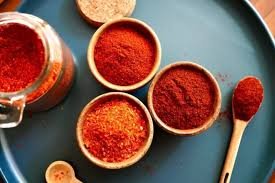
In addition to the meat, vegetables such as onions, carrots, and potatoes are frequently incorporated into the filling. Onions add sweetness and depth to the flavor profile, while carrots and potatoes contribute moisture and nutrition. Spices such as cumin and coriander are often employed to enhance the overall taste and aroma of the dish, showcasing the spices’ historical importance in Central Asian cuisine.
Further enhancing the dish, traditional qoghundos may include herbs such as dill or cilantro, which provide freshness and balance to the richness of the meat filling. Each of these ingredients plays a vital role in not only determining the flavor and texture of qoghundos but also connecting the dish to its cultural roots. Understanding these ingredients is key to evaluating the overall quality and health aspects of qoghundos, prompting an inquiry into whether the ingredients in qoghundos are indeed good for consumption.
Nutritional Benefits of Qoghundos Ingredients
Qoghundos, a traditional dish, boasts a unique combination of ingredients that are not only flavorful but also nutritionally beneficial. To determine if the ingredients in qoghundos are good, it is essential to explore the individual components that contribute to its health profile. Commonly, components such as grains, legumes, vegetables, and spices are utilized, each offering distinct health advantages.
Starting with grains, varieties such as barley or rice serve as the base of qoghundos. Grains are rich in essential carbohydrates, providing energy and promoting digestive health through their fiber content. Additionally, they encapsulate key vitamins, including B vitamins which are vital for metabolic processes.
Legumes, frequently incorporated into the dish, are another significant element. Beans and lentils are celebrated for their high protein content and ferry beneficial nutrients such as iron and magnesium. These proteins are crucial for muscle repair and growth, while iron supports oxygen transport in the bloodstream. Including legumes in the qoghundos ingredients array undoubtedly adds to its nutritional taxonomy.
Vegetables are often included in qoghundos, contributing vitamins, minerals, and antioxidants. For instance, leafy greens like spinach are loaded with vitamins A, C, and K, each playing various roles in maintaining immune function and bone health. Furthermore, antioxidants present in vegetables help mitigate oxidative stress and promote overall well-being.
Finally, spices such as turmeric, often found in qoghundos, provide anti-inflammatory properties and beneficial compounds like curcumin. Incorporating such spices not only elevates flavor but also enhances the dish’s health qualities.
In essence, the ingredients in qoghundos are indeed beneficial due to their rich nutritional profiles, supporting a balanced and healthy diet. By understanding the positive health impacts of these ingredients, one can appreciate the value of qoghundos as a wholesome meal option.
Possible Concerns and Consideration
s
While qoghundos are celebrated for their unique flavors and appealing texture, it is important to consider potential concerns regarding their ingredients. One area of concern relates to allergies, as certain components commonly found in these snacks may trigger adverse reactions in sensitive individuals. For instance, many qoghundos may contain nuts, dairy, or gluten, which could pose risks for those with specific dietary restrictions. Therefore, thorough reading of the ingredient labels is recommended for anyone who has known allergies.
Another aspect to consider is the presence of additives and preservatives in some varieties of qoghundos. Many commercially manufactured snacks utilize these substances to enhance flavor, texture, or shelf-life. While such additives are generally recognized as safe for consumption, there are ongoing discussions about the long-term health effects of consuming highly processed ingredients. Consumers seeking a healthier alternative may wish to explore brands that promote natural or organic products or even consider making qoghundos at home, where they can control the ingredients used.
For individuals with dietary limitations, alternatives are available that may still allow the enjoyment of qoghundos. For example, those avoiding gluten can seek out recipes that substitute traditional flour with gluten-free options like almond or coconut flour. Plant-based diets can also be accommodated by using alternatives such as plant-based proteins instead of animal products. Exploring variations of qoghundos that align with these dietary restrictions not only expands options but also promotes a more inclusive approach to enjoying this delightful snack.
In summary, while the ingredients in qoghundos can offer a delicious experience, it is essential to consider potential allergens, dietary restrictions, and the presence of additives. By making mindful choices regarding ingredients, individuals can still indulge in qoghundos while addressing their unique dietary needs.
Conclusion: Making Informed Choices About Qoghundos
After a thorough examination of the various elements that constitute qoghundos, it becomes evident that the question of whether the ingredients in qoghundos are good does not yield a simple yes or no answer. Instead, this inquiry invites a more nuanced understanding that aligns closely with individual dietary needs and health objectives. Qoghundos, with their unique combination of flavors and textures, present an intriguing option for those who seek to diversify their meals while being mindful of nutritional content.
Many of the ingredients found in qoghundos can indeed provide valuable nutrients and potentially contribute to overall well-being when consumed in moderation. However, as with any food item, the suitability of these ingredients varies from person to person, depending on pre-existing health conditions, dietary preferences, and nutritional needs. Therefore, assessing whether the ingredients in qoghundos are good should involve a consideration of personal health factors, including any allergies, intolerances, or specific dietary restrictions.
Moreover, integrating qoghundos into a balanced diet offers the potential for enjoyment and satisfaction, provided one remains aware of portion sizes and caloric intake. It is essential to strike a balance between indulgence and health, ensuring that choices align with longer-term wellness goals. Readers are encouraged to reflect on their own health journeys while exploring the diverse flavor profile of qoghundos. Ultimately, informed choices, characterized by moderation and attention to one’s unique dietary landscape, will significantly enhance the experience of incorporating qoghundos into daily meals.